
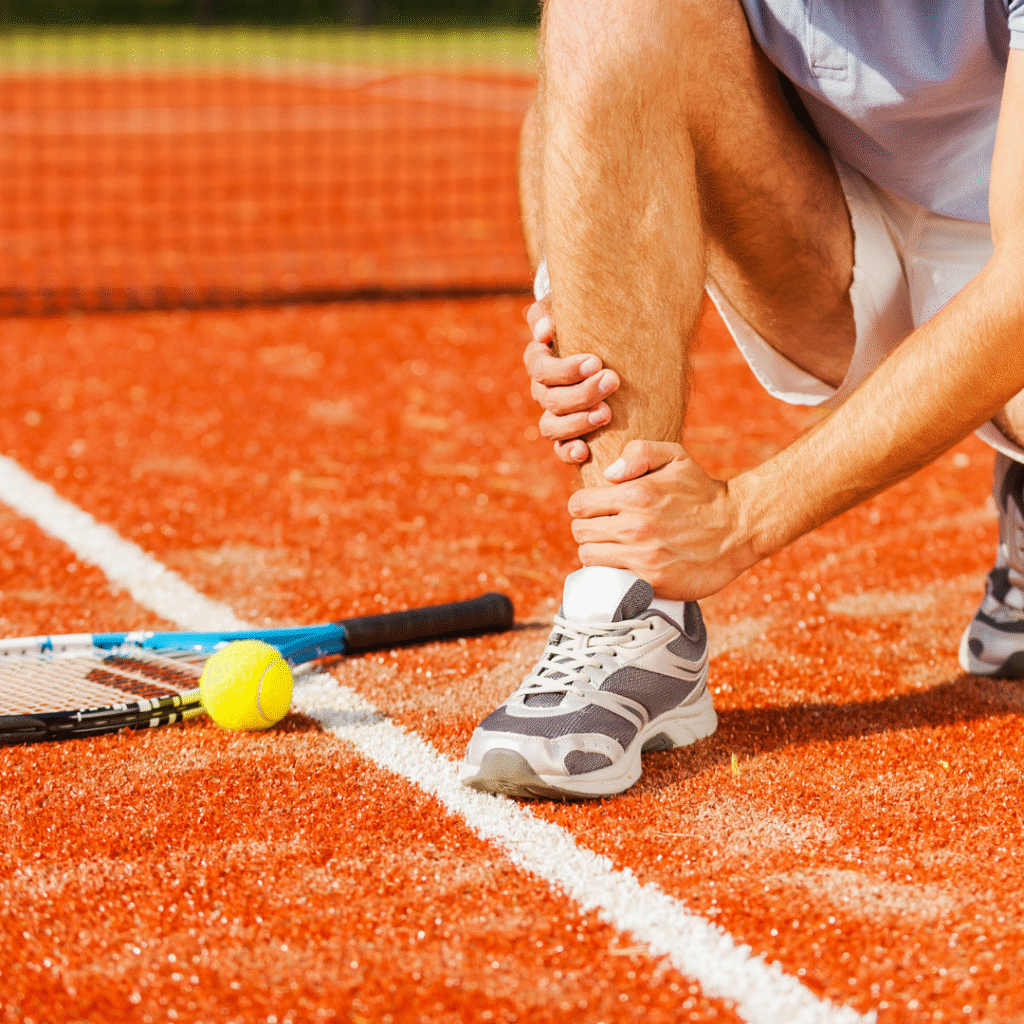
How to Prevent Injuries in Competitive Sports: Essential Strategies for Athletes
Injury prevention in competitive sports is essential for maintaining an athlete’s performance and longevity. Many injuries occur due to inadequate preparation, poor technique, or insufficient recovery. The key to preventing injuries lies in a combination of proper training, adequate rest, and the use of appropriate protective equipment.
Athletes who focus on strengthening muscles, improving flexibility, and practising correct movement patterns reduce their risk significantly. They should also prioritise warm-ups and cool-downs to prepare the body for intense activity.
Additionally, recognising early signs of fatigue or strain and allowing time for recovery can prevent minor issues from becoming severe injuries. Maintaining a balanced approach benefits both physical health and competitive success.
Essential Strategies for Preventing Injuries in Competitive Sports
Preventing sports injuries requires targeted preparation, including physical readiness and technique mastery. A combined approach of structured exercise routines, strength development, and correct movements greatly reduces injury risk.
Dynamic Warm-Up and Cool-Down Routines
A dynamic warm-up prepares muscles and joints by increasing blood flow and improving flexibility. It should last 10 to 15 minutes and include activities like jogging, leg swings, and arm circles to activate key muscle groups.
Cool-down routines are equally important for injury prevention. They help reduce muscle stiffness and remove metabolic waste through gentle stretching and low-intensity movements lasting around 5 to 10 minutes.
Both warm-up and cool-down phases enhance performance by improving the range of motion and decreasing muscle soreness. Ignoring these steps can significantly raise the risk of strains and sprains.
Optimising Strength and Conditioning
Strength training should focus on building muscle balance, core stability, and joint support. Exercises targeting major muscle groups, such as squats and planks, reduce the likelihood of imbalances that contribute to injury.
Conditioning improves cardiovascular fitness and muscular endurance, helping athletes maintain proper form throughout competition. It includes interval training, resistance work, and sport-specific drills.
A well-rounded programme plans progression in intensity and volume to avoid overuse injuries. Regular assessment ensures athletes safely increase workload without compromising recovery.
Ensuring Proper Technique and Form
Mastering proper technique is essential to minimise injury during repetitive movements. Coaches must emphasise alignment, posture, and controlled motion to prevent undue strain on muscles and joints.
Athletes should receive regular feedback through video analysis or direct observation to correct faulty patterns. This attention reduces the risk of both acute injuries and chronic conditions.
Specific drills focusing on movement efficiency help reinforce good habits. Poor technique often leads to compensation patterns that increase injury susceptibility.
Addressing Overuse, Overtraining, and Recovery
Managing the balance between training intensity and rest is essential to protect athletes from injury. Focusing on proper workload, structured recovery, and varied exercise routines reduces the risk of physical stress and promotes long-term performance.
Preventing Overuse Injuries
Overuse injuries, such as stress fractures and tendinitis, result from repeated strain without adequate recovery. Athletes should monitor pain levels and avoid pushing through persistent discomfort.
Implementing gradual increases in training volume—no more than 10% per week—helps reduce injury risk. Regular assessments with medical professionals can identify early signs of overuse injuries, allowing timely intervention.
Using sport-specific techniques correctly and ensuring the right equipment fit also minimises repetitive stress on joints and muscles. Early reporting and treatment of symptoms prevent overuse injuries from worsening.
Rest and Recovery Planning
Structured rest is a critical element to avoid overtraining. Scheduling rest days within training programmes enables muscle repair and reduces fatigue buildup.
Sleep quality directly affects recovery. Athletes need 7 to 9 hours per night to support tissue healing and cognitive function. Proper nutrition, including adequate protein intake, also accelerates recovery.
Active recovery methods like light stretching or low-intensity cardio encourage blood flow without taxing the body. Monitoring fatigue levels through training logs supports timely adjustments to workload.
Cross-Training for Balanced Fitness
Cross-training introduces varied exercise forms to reduce repetitive stress associated with one sport. It builds strength, flexibility, and endurance across different muscle groups.
For example, swimmers concerned about running-related stress fractures can benefit from cycling or swimming sessions. These alternatives maintain cardiovascular fitness while lowering the impact on bones.
Cross-training also helps prevent mental burnout by providing variety. Integrating diverse activities enhances overall athletic ability and decreases the likelihood of overuse injuries.
Supporting Athletic Health and Performance
Athletic health requires precise attention to the body’s capabilities and recovery methods. Maintaining flexibility, hydration, and expert support optimises performance and helps prevent injuries.
Flexibility and Range of Motion Enhancement
Flexibility and range of motion directly affect an athlete’s ability to perform movements safely and effectively. Regular stretching routines, such as dynamic stretches before activity and static stretches post-exercise, maintain muscle elasticity and joint mobility.
Improved range of motion reduces the strain on muscles and ligaments. Incorporating techniques like active isolated stretching or proprioceptive neuromuscular facilitation (PNF) can enhance results.
Athletes should also seek help from professionals in sports medicine or chiropractic care to identify and address movement restrictions early. These experts can provide personalised stretching plans and manual therapies to maintain optimal joint function.
Maintaining Proper Hydration
Hydration is crucial for muscle function, temperature regulation, and mental focus during competition. Dehydration leads to reduced endurance, increased fatigue, and higher injury risk, especially muscle cramps or strains.
Athletes should aim to drink 150-350ml of water every 15-20 minutes during exercise, adjusting based on weather conditions and individual sweat rates. Electrolyte replacement through sports drinks is advisable during prolonged or high-intensity activity.
Monitoring urine colour is a practical hydration indicator; pale yellow signifies adequate hydration, while dark yellow indicates the need for more fluids. Pre- and post-exercise hydration assessments support consistent fluid balance.
Professional Guidance and Support
Access to athletic trainers, sports medicine professionals, and chiropractors is essential for injury prevention and recovery. These experts assess risks, offer tailored conditioning programmes, and perform preventative treatments.
Regular consultations help detect biomechanical imbalances and underlying issues before they become injuries. Athletic trainers provide immediate injury care and rehabilitation protocols, while chiropractic care focuses on spinal alignment and joint health.
Collaborative care improves athletic longevity and performance. Structured communication between athletes and health professionals ensures training modifications address individual needs without compromising competitive goals.
Sport-Specific Considerations and Equipment
Different sports demand tailored approaches to injury prevention and specialised equipment. Understanding the unique physical stresses and movements involved in each sport is essential. Proper protective gear and footwear directly impact injury risk and athletic performance.
Adapting Injury Prevention to Different Sports
In running, emphasis is placed on cardiovascular conditioning, gradual mileage increases, and muscle strengthening to reduce overuse injuries such as stress fractures and tendonitis. Runners should incorporate rest days and cross-training to prevent repetitive strain.
Contact sports require preparation for impacts, including exercises to improve neck strength and joint stability. Movement patterns vary widely; thus, injury prevention strategies must address sport-specific risks like ACL tears in football or shoulder injuries in rugby.
Sports with rapid changes in direction and speed need agility drills and proprioceptive training to reduce ligament injuries. Warm-ups targeting these patterns prepare muscles and joints for demands and lower injury chances.
Ensuring Appropriate Gear and Footwear
Using sport-appropriate footwear is critical; running shoes must offer shock absorption and support tailored to foot strike and terrain. Unsuitable shoes increase foot and lower limb injury risk significantly.
Protective equipment such as helmets, mouthguards, and padding must meet recognised safety standards and fit correctly. Ill-fitting gear can fail to protect or even cause injury.
Regular inspection of equipment ensures no wear or damage compromises safety. Replacing worn running shoes every 300-500 miles helps maintain shock absorption and support. Sportswear should allow full movement without restriction.