
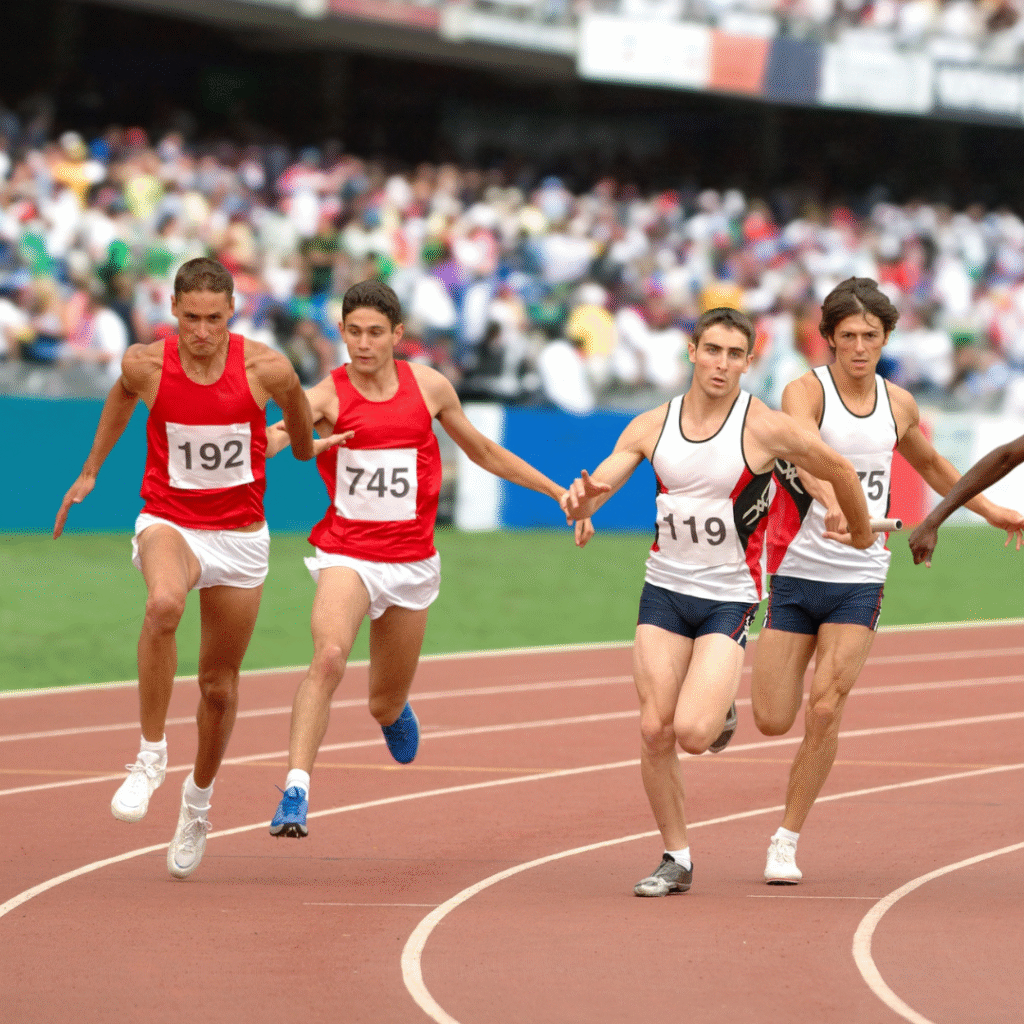
How Competitive Sports Build Lifelong Discipline Through Resilience and Focus
Competitive sports require consistent effort, time management, and the ability to push through challenges. These demands teach individuals how to set goals and maintain focus, building discipline that extends far beyond the playing field. The structure and rigour inherent in competitive sports develop habits that foster lifelong self-discipline.
Athletes learn to cope with setbacks and maintain regular routines, which helps in forming resilient mindsets. This experience often translates into better work ethics and personal responsibility in other areas of life.
By engaging in competitive sports, individuals gain practical lessons on commitment and perseverance. These lessons become foundational tools for success in both professional and personal contexts.
The Foundation of Discipline in Competitive Sports
Discipline in competitive sports develops through consistent routines, structured practice, and the deliberate application of time management. These elements contribute to building skills that extend beyond the playing field and influence other areas of life.
Understanding Discipline in Sports
Discipline in sports refers to an athlete’s ability to maintain focus, control impulses, and consistently work towards improvement. It involves adhering to rules, respecting coaches, and practising self-regulation during training and competition.
This form of discipline is not solely about obeying external commands but also about internal motivation to meet goals. Athletes learn to balance effort with patience, understanding that progress requires commitment over time.
Key traits in sports discipline include:
- Consistency in actions
- Commitment to goals
- Self-control under pressure
These traits are foundational for mastering any sport and contribute to personal growth outside sports contexts.
The Importance of Routine and Structure
Routine and structure create a dependable framework for athletes to follow. They shape daily habits, ensuring time is allocated for training, rest, nutrition, and recovery.
Structured routines reduce uncertainty, allowing athletes to focus solely on performance without decision fatigue. This steady framework also instils a sense of responsibility and predictability, essential for long-term development.
A clear routine often includes fixed waking times, pre-practice warm-ups, and scheduled recovery periods. These details help embed discipline by making adherence second nature rather than a conscious effort.
The Role of Practice Schedules
Practice schedules are critical in reinforcing discipline by requiring athletes to commit to specific training times and activities. They provide measurable goals and checkpoints to track progress.
These schedules vary depending on the sport, but all include planned skill development, strength training, and tactical preparation. Strict adherence teaches time management and the value of consistent effort.
Athletes learn to prioritise requests from coaches, manage energy, and resist distractions. Practice schedules act as a blueprint, transforming vague ambitions into concrete daily actions.
Linking Sports Discipline to Life Skills
The discipline cultivated through sports translates directly into life skills such as time management, goal setting, and perseverance. Athletes often develop stronger work ethics and improved self-control outside of the sports environment.
For example, managing a training regimen can enhance punctuality and planning skills applied to education or work. Handling wins and losses fosters emotional resilience, valuable in personal and professional relationships.
In summary, discipline in sports equips individuals with practical tools that support success in many life aspects, underscoring the broader role of sports beyond physical activity.
Core Benefits: Building Discipline for Life
Competitive sports cultivate critical skills that extend beyond the playing field. Athletes develop structured habits, emotional strength, and leadership qualities that shape their character and approach to challenges throughout life.
Time Management and Organisation
Athletes must balance training, competitions, and personal commitments, necessitating efficient time management skills. Establishing a routine around practice schedules teaches prioritisation and planning.
This discipline in organising tasks translates to lifelong abilities in managing workload and deadlines. They learn to allocate time for rest and recovery, which reinforces a sustainable approach to productivity.
Skill development in this area helps athletes maintain focus on goals, avoid procrastination, and improve overall efficiency. It builds a framework for handling multiple responsibilities simultaneously, a key asset in both careers and personal life.
Resilience and Perseverance
Facing losses, injuries, and setbacks regularly, athletes develop significant resilience. This ability to recover quickly strengthens their determination and motivates continuous effort despite difficulties.
Perseverance results from pushing through physical discomfort during training and mental challenges in competition. It cultivates patience and a mindset oriented towards long-term success.
By embracing failure as part of growth, sports instil a mindset where obstacles become opportunities to learn. This resilience extends to handling stress, setbacks, and adversity off the field as well.
Enhancing Mental Toughness
Mental toughness involves the capacity to stay focused, maintain confidence, and control emotions under pressure. Competitive athletes practise this skill by managing performance anxiety and staying composed in high-stakes situations.
This psychological discipline fosters self-discipline and emotional regulation, which are essential for consistent effort and decision-making. It helps develop a strong internal locus of control.
Such mental fortitude also supports overcoming distractions and persevering through difficult moments. It encourages athletes to set clear goals and maintain motivation regardless of external circumstances.
Fostering Responsibility and Leadership
Participation in sports encourages athletes to take ownership of their training and behaviour. They learn accountability for their performance and the impact their actions have on teammates.
Leadership skills emerge naturally as athletes motivate others, communicate effectively, and take initiative during games and practices. These qualities nurture confidence in group settings.
This sense of responsibility and leadership contributes to character development, as athletes make decisions that affect team outcomes. They build integrity and a commitment to ethical behaviour, which benefits all areas of life.
Team Sports and Social Growth
Team sports develop vital social skills by requiring players to work closely with others. These activities demand consistent interaction, trust, and coordination, which help individuals improve how they function within groups.
Collaboration and Teamwork Skills
In basketball and football, success depends heavily on players’ ability to collaborate effectively. Team members must understand their roles and coordinate actions to achieve common goals. This teaches discipline in listening and adapting to others’ strengths and strategies.
Developing teamwork skills through sport involves learning when to lead and when to support. Players become accustomed to shared responsibility, recognising that individual effort alone cannot win games. This balance enhances their capacity to work in diverse group settings outside sports.
Trust and Communication
Trust is fundamental in any team sport environment. Players rely on teammates to execute plays and maintain defensive positions, knowing that trust enhances performance under pressure.
Effective communication, both verbal and non-verbal, is crucial on the court or field. Team members use signals and calls to coordinate and respond quickly. This continuous exchange fosters clarity and accountability, reinforcing mutual respect among players.
Cooperation in Group Settings
Cooperation extends beyond basic teamwork and is essential in managing conflicts and differing opinions within a team. Players learn to accept feedback and adjust their behaviour for the group’s benefit.
In football, for example, cooperation involves synchronising moves and supporting teammates during setbacks. These experiences train individuals to prioritise collective success, a skill applicable in workplaces and social contexts. Cooperation also builds patience and resilience during competitive challenges.
Long-Term Outcomes: Lifelong Discipline and Well-Being
Competitive sports promote habits that extend beyond the playing field, affecting physical health, mental wellness, and valuable personal qualities. The impact of these habits influences a person’s overall approach to challenges and everyday life.
Healthy Lifestyle and Physical Fitness
Participation in competitive sports requires consistent physical activity, which establishes a foundation for lifelong fitness. Regular training routines increase cardiovascular health, muscle strength, and endurance.
Youth engaged in sports often develop better dietary habits and understand the importance of rest and recovery. These elements contribute to a sustainable, healthy lifestyle.
Studies show that early involvement in sports reduces the risk of chronic diseases like obesity and diabetes. As a result, those who compete often maintain active habits well into adulthood.
Confidence and Self-Esteem
Regular competition fosters resilience and self-belief through measurable achievements and overcoming setbacks. Athletes learn to handle pressure, which builds mental strength.
Positive feedback from coaches and peers enhances self-esteem and encourages a growth mindset. This confidence generally extends into academic and professional settings.
Youth sports offer structured environments where individuals experience success and failure safely. These experiences contribute directly to higher self-worth and social skills.
Transferable Life Lessons
Competitive sports teach key qualities such as time management, teamwork, and goal-setting. These skills apply in education, work, and interpersonal relationships.
Discipline gained from training schedules helps athletes prioritise responsibilities beyond sports. Challenges faced during competitions nurture problem-solving abilities and perseverance.
The lessons of commitment and accountability in sports often lead to better professional habits and improved mental well-being throughout life.